 SOLIT SocksPremium socks
“We kept placing emergency orders, 70,000 pairs arriving in three weeks because we were always reacting instead of planning ahead.”


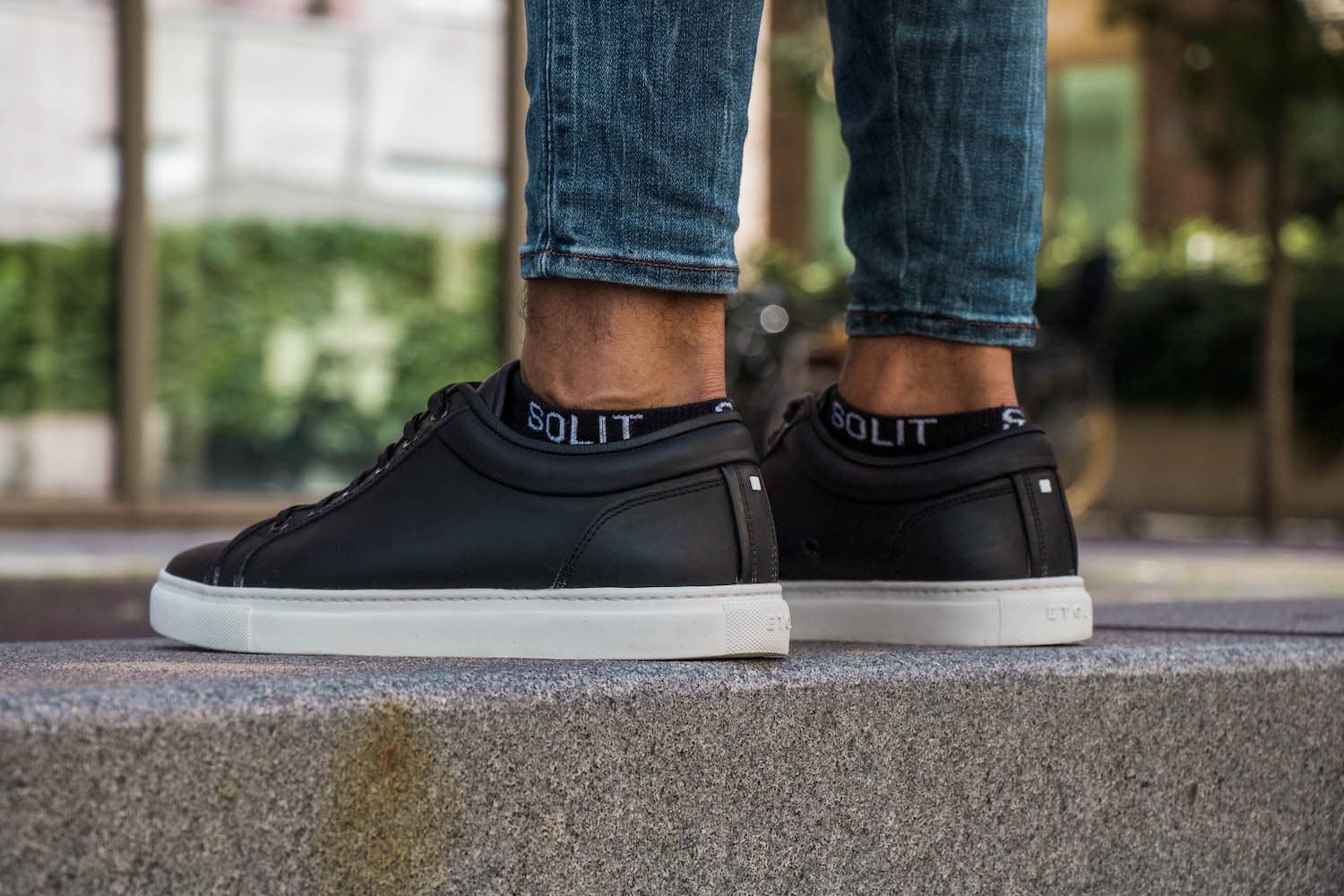
Olaf and Tim run SOLIT Socks (premium sneaker socks and no-show socks) out of the Netherlands. They started with 27 SKUs, a single Istanbul supplier, and a spreadsheet. The business now sells across Shopify and Bol.com with 107 active SKUs, sourced from one factory with a 1,000-unit MOQ that doesn't allow small top-up orders.
Where SOLIT Socks was stuck
At 27 SKUs, a spreadsheet is a perfectly good inventory tool. At 80+, with a single Istanbul supplier that requires a 1,000-unit MOQ and no option for small top-up orders, it isn't. Every wrong call compounds. Every missed signal costs a full batch.
SOLIT had tried a previous tool at €800 to 900 per month. The problem was the mismatch: they were placing 3 to 4 purchase orders a year. A tool built for daily ordering doesn't fit a business that buys quarterly, and at €200 to 300 per PO just for the software, the maths didn't work.
The result was a pattern familiar to any fast-growing brand: reactive ordering instead of planned purchasing. Bestsellers stocked out, emergency batches got air-freighted in, and every fix made the next forecast harder.
“Every wrong call compounds. Every missed signal costs a full batch.”
Why the old setup ran out of runway
In June and July 2025, their peak summer season, SOLIT ran out of their bestselling sock styles. The orders weren't there in time because the forecast wasn't there at all. That was the moment the spreadsheet stopped being good enough.
Olaf posted on LinkedIn looking for a Shopify inventory automation that actually fit how SOLIT bought. Thijs from Rewize came across the post and reached out. SOLIT went live on Rewize in July 2025.
“The question isn't whether you need better tooling. It's how long you can afford to wait.”


A visibility layer that fit the business
Reactive purchasing was replaced with a planned monthly cadence. SOLIT now places one structured purchase order roughly every 22 days, each covering ~29 SKUs and ~49,000 units, planned from real demand data instead of feel.
- Planned monthly PO cadence, one order every ~22 days
- 29 SKUs and ~49,000 units per PO, sized from actual demand
- Replaced a €800 to 900/mo daily-ordering tool that didn't match SOLIT's quarterly buying
- Works around the Istanbul supplier's 1,000-unit MOQ instead of fighting it
- Planned purchasing replaces emergency air-freight batches
The numbers that matter
One nuance worth being honest about: A-SKU stockouts moved slightly the other way, from near-zero (0.05%) to 2.58%. Previously, the only way to keep top-sellers fully stocked was to massively over-order as insurance, since there was no data to guide a more precise decision. At 2.58%, A-SKUs are still firmly in the healthy range, and the system now has the demand signal it needs to order precisely instead of defensively. The strong August seasonality gives it a clear pattern to learn from for the second summer.
More brands that stopped firefighting

“11 suppliers in China, 70-day lead times. You can't afford to get the numbers wrong.”

“Slow movers are easy to forget. Out of stock for months, that adds up to real lost revenue.”